Exactly how to Maintain Your Hot Water Heater
Keeping your hot water heater is crucial to ensuring its durability and efficiency. By following a couple of easy actions, you can keep your system running smoothly and prevent costly fixings down the line. From routine evaluations to calculated flushing, the correct care of your hot water heater can make all the distinction. But there's even more to it than fulfills the eye. Explore deeper right into the art of water heater upkeep, and you'll reveal a globe of energy-saving techniques that can transform the way you utilize this vital household device.
Key Takeaways
- Conduct regular visual examinations for leaks, rust, or fractures and validate the thermostat temperature is within the suggested series of 120-140 F.
- Flush the water heater every 6-12 months to eliminate sediment accumulation, which can boost energy efficiency and extend the lifespan of the device.
- Change the anode pole every couple of years to avoid corrosion and keep the water heater's stability.
- Adjust the temperature setups to 120 F for power effectiveness and safety, staying clear of temperature levels that advertise bacteria growth or rise scalding threat.
- Consider energy-efficient practices like reducing the temperature level, protecting the tank and pipes, and discovering eco-friendly options like solar water heaters.
Relevance of Water Heater Maintenance
Maintaining your hot water heater is vital to assure its longevity and height efficiency, saving you from costly repair work or early replacement down the line.
By regularly preserving your hot water heater, you'll expand its life-span and ensure it runs successfully, which can significantly affect your power bills. Ignoring routine upkeep can result in mineral buildup, reduced home heating capacity, and even full system failing, leaving you without warm water and dealing with pricey replacements.
Routine examination and servicing of your hot water heater's parts, such as the anode rod, pressure safety valve, and thermostat, can help determine and resolve any issues prior to they intensify. Flushing the storage tank to eliminate debris buildup not only improves the heating system's performance however additionally protects against early damage.
In addition, maintaining the appropriate temperature setting can additionally contribute to cost financial savings by minimizing energy usage.
Investing a percentage of time and effort in hot water heater upkeep pays off in the future, securing your financial investment and ensuring trusted warm water for your house.
Checking the Hot Water Heater
Initially, do a visual inspection of your hot water heater regularly.
Check for any signs of leaks, rust, or fractures.
Next, make use of a thermometer to validate the thermostat is set to the suggested temperature, generally in between 120-140 F.
Visual Assessment Routine
Routinely evaluating your water heater is necessary to ensuring it runs successfully and safely.
Begin by visually analyzing the exterior for any type of indicators of rust, rust, or leaks, as these can indicate typical issues like a failing storage tank or connections. Examine the temperature level and pressure relief valve by raising the bar - it should open and close properly, permitting water to spurt. Try to find any type of cracks or damage to the tank, as these can lead to serious leaks.
Next, inspect the location around the water heater. Ensure there's adequate clearance for air flow and that the device isn't obstructed by debris or storage space. Pay attention for uncommon noises, which could represent debris build-up or other troubles.
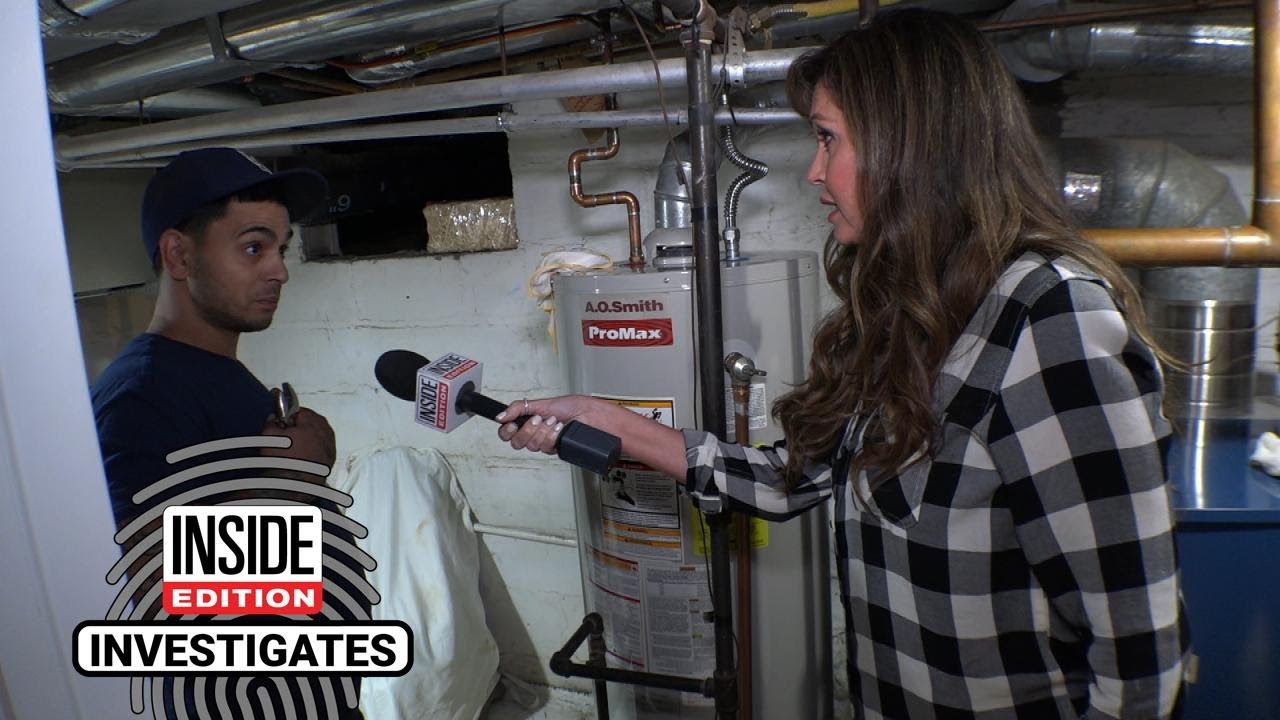
If you see anything worrying, it's finest to have an expert take a closer look. Routine visual assessments can aid you catch small problems prior to they come to be major migraines, maintaining your hot water heater running efficiently for years to come.
Thermostat Temperature Check
Inspecting the thermostat temperature is an important step in thoroughly inspecting your hot water heater's efficiency. This straightforward examination can reveal potential concerns and ensure your system is supplying water at the desired temperature level setting.
Begin by finding the thermostat, generally found at the top or side of the hot water heater. Use a thermometer to gauge the temperature of the water as it comes out of a faucet. Compare this reading to the thermostat setup. If the water temperature level does not match the thermostat setting, you might need to readjust the thermostat or think about a thermostat calibration.
Proper thermostat calibration warranties temperature consistency and protects against power waste. If the thermostat is established too high, you're paying extra for hot water than necessary. Conversely, if it's set also low, you won't have adequate hot water for your needs.
Put in the time to tweak the thermostat, testing the water temperature level after each adjustment until you accomplish the perfect equilibrium. This straightforward examination aids optimize your water heater's efficiency and life-span.
Flushing the Hot Water Heater
On a regular basis flushing your hot water heater is essential for keeping its performance and life-span.
This simple task eliminates debris accumulation, which can hamper the heater's performance and trigger damage over time.
Let's discover the frequency and advantages of this process, the steps involved in sediment elimination, and a detailed guide to flushing your water heater.
Regularity and Advantages
To preserve perfect efficiency, you need to flush your hot water heater on a periodic basis. Flushing your hot water heater frequently can prolong its lifespan and enhance its effectiveness. The regularity of flushing will rely on your regional water quality, yet a great rule of thumb is to flush it every 6 to 12 months.
Debris and mineral build-up can gather in the bottom of your water heater in time, which can minimize its heating efficiency and even lead to premature failure. By flushing the tank, you'll eliminate this build-up and ensure your hot water heater is operating at its best.
A properly maintained hot water heater will certainly utilize less energy, conserving you money on your energy costs. Furthermore, regular flushing can assist stop leaks and other problems that can cause pricey repair work down the line.
Adhere to a constant maintenance routine to keep your hot water heater running efficiently for many years to come. Taking the time to flush it on a regular basis is a simple task that can give substantial benefits.
Debris Removal Process
Flushing your hot water heater involves draining pipes the tank and getting rid of any type of sediment that has actually gathered at the bottom. Beginning by switching off the power or gas supply to the device, after that link a hose pipe to the drainpipe valve at the base of the storage tank. Open up the drainpipe valve and allow the water flow out, seeing to it to route it to a suitable area that can take care of the discharge.
Gradually, sediment build-up can lower the performance of your water heater and even create it to fall short too soon. By flushing the tank on a regular basis, you can assist avoid this issue.
As soon as the storage tank is completely drained pipes, you can attempt different flushing strategies to remove the debris. This might include using a Sheerness Plumbing sheerness plumber water hose to spray the inside of the tank or using a tank flushing tool to scrub the sides and base. Be sure to adhere to the supplier's guidelines thoroughly when performing this maintenance task.
Normal debris elimination via flushing is an important part of keeping your water heater in leading shape and guaranteeing its longevity.
Step-By-Step Overview
Once you have actually drained the storage tank, you can begin the flushing process.

Begin by affixing a garden hose to the drainpipe valve at the end of the water heater. Ensure the various other end of the pipe causes an ideal area that can take care of the discharge.
Next, turn on the cool water supply shutoff to permit fresh water to stream into the tank. As the tank fills up, the water will flush out any kind of debris or particles that has actually collected. Let the water run for several minutes till it runs clear, indicating the flushing is full.
Performing this detailed guide regularly can aid prolong your water heater's lifespan and protect against common repairs, like burner replacements or tank leaks.
Changing the Anode Rod
The anode rod is a vital component of your water heater, avoiding corrosion and extending its life-span. You'll need to change this pole every couple of years to assure your water heater continues functioning effectively.
To replace the anode rod, start by turning off the power to your water heater and permitting it to cool down entirely. Locate the anode pole, typically discovered on the leading or side of the tank. Utilize an outlet wrench to get rid of the pole, taking care not to damage the strings. Check the old pole - if it's greatly worn away, it's time for a replacement.
When selecting a new anode rod, select one that matches the specifications of your water heater. Apply plumber's tape to the threads and carefully screw in the new pole, ensuring a tight seal.
Turn the power back on and look for any type of leaks. With the brand-new anode pole in place, your water heater will certainly be secured from rust for a number of more years.
Readjusting the Temperature Level Setting
Readjusting the temperature level setting on your water heater is a simple task that can help boost energy effectiveness and stop scalding.
Start by locating the thermostat, often found near the top or side of the storage tank. Utilizing a screwdriver or your hands, carefully turn the dial to the preferred temperature level, typically in between 120 F and 140 F.
The temperature level guidelines for a hot water heater usually advise setting it between 120 F and 140 F. Lower temperature levels can result in microorganisms growth, while greater temperatures raise the threat of scalding.
Be mindful of the security preventative measures, as the hot water heater storage tank can be warm and changing the temperature level needs to be finished with caution.
After making the change, allow the water to heat up and after that examine the temperature at a faucet. You may require to adjust the setting up until you accomplish the desired water temperature level.
Consistently inspecting and readjusting the temperature can aid guarantee your water heater is running effectively and safely.
Identifying and Dealing With Problems
Routinely examining your hot water heater can help you identify and resolve any type of prospective issues before they rise. Try to find signs of leaks, rust, or debris build-up, and resolve them without delay to keep peak efficiency and protect against pricey repair services.
Check the pipes connecting your water heater for any indicators of leaks, as these can suggest a bigger problem. If you notice any leaking or wetness around the unit, address it promptly to avoid water damage and prospective safety threats.
Furthermore, examine the pressure safety valve, ensuring it's functioning appropriately and not stuck open or closed.
Do not overlook any unusual sounds or adjustments in performance, as these can indicate problems with the heating element, thermostat, or other internal elements. If you're unclear concerning the reason, it's best to consult an expert plumbing technician to identify and repair the trouble prior to it worsens.
Energy-Efficient Hot Water Heater Practices
To optimize your water heater's energy effectiveness, think about lowering the temperature setting. Typically, a temperature level of 120 F (49 C) is sufficient for many homes, and it can help reduce power usage and reduced energy bills.
Another way to improve effectiveness is to insulate the water heater storage tank and the very first 6 feet of the hot and cold water pipes. This aids keep the water temperature and minimizes heat loss.
If you remain in the marketplace for a brand-new hot water heater, check out solar water and tankless options. Solar hot water heater make use of renewable resource from the sun to heat your water, which can substantially minimize your power costs.
Tankless hot water heater, on the various other hand, just heat water on demand, getting rid of the standby power loss related to traditional tank-style heaters.
These energy-efficient remedies can have a higher upfront price, but the lasting cost savings on your utility costs can make them a rewarding financial investment.
Often Asked Questions
Can I Change the Hot Water Heater Myself?
Can you change the hot water heater yourself? Absolutely!
Do it yourself plumbing can be an excellent means to conserve money, however it is very important to carefully think about the water heater installment procedure.
While it's feasible to do it on your own, it's likewise a complex and possibly hazardous task.
Make certain you have the right devices, adhere to safety methods, and do not be reluctant to hire a specialist if you're uncertain.
With the right prep work, you can tackle this task efficiently.
How Usually Should I Change the Hot Water Heater?
The average water heater life-span is around 8-12 years, yet this can differ depending on aspects like usage and upkeep.
When it's time to replace your water heater, the expenses can range from $500 to $1,500 or more, relying on the type and dimension you require.
While you can do standard upkeep on your own, it's normally best to have a professional deal with the more intricate task of a full replacement to assure it's done securely and effectively.
What Are the Indicators of a Failing Water Heater?
If your hot water heater is dripping water or making unusual noises, it's a clear sign that your system is stopping working.
These problems suggest troubles with the storage tank, valves, or various other components.
Do not neglect these warning signs - they might cause a complete malfunction, triggering water damage and disrupting your hot water supply.
If you notice any one of these problems, it's best to have a professional check your hot water heater and determine the best course of action.
Can I Use Vinegar to Clean the Hot Water Heater?
You can definitely utilize vinegar to clean your hot water heater!

Vinegar has all-natural cleaning benefits that can help remove mineral build-up and prolong the life of your device.
It's recommended to flush and cleanse your water heater every 6-12 months to maintain peak effectiveness.
Simply drain the storage tank, load it with a vinegar service, allow it sit for a couple of hours, then flush it out.
This easy maintenance will keep your heating unit running efficiently.
Just how Do I Effectively Get Rid Of a Hot Water Heater?
When throwing away a water heater, it's important to follow proper guidelines.
First, call your neighborhood waste administration service to understand their hot water heater reusing policies. They'll likely require you to drain plumber sheerness pipes the storage tank and get rid of any type of harmful materials.
Then, you can arrange a pick-up or leave the unit at an authorized reusing center.
Taking care of a water heater responsibly helps secure the environment and ensures the products are recycled or dealt with securely.
Conclusion
Frequently maintaining your hot water heater is vital to assure its ideal performance and long life.
Remember to check it, flush the storage tank, change the anode rod, and change the temperature settings as needed.
Shielding the storage tank and pipes can even more enhance power performance.
Taking into consideration tankless or solar alternatives may give even higher lasting financial savings.
By staying on top of these essential maintenance tasks, you'll keep your water heater running efficiently and efficiently for several years to come.